Diabetes Monitoring at Home: HbA1c, Fasting Glucose Tests for Elderly Patients in Mumbai
- Home
- Diabetes Monitoring at Home: HbA1c, Fasting Glucose Tests for Elderly Patients in Mumbai
Connect with us :
+91 911 188 9903
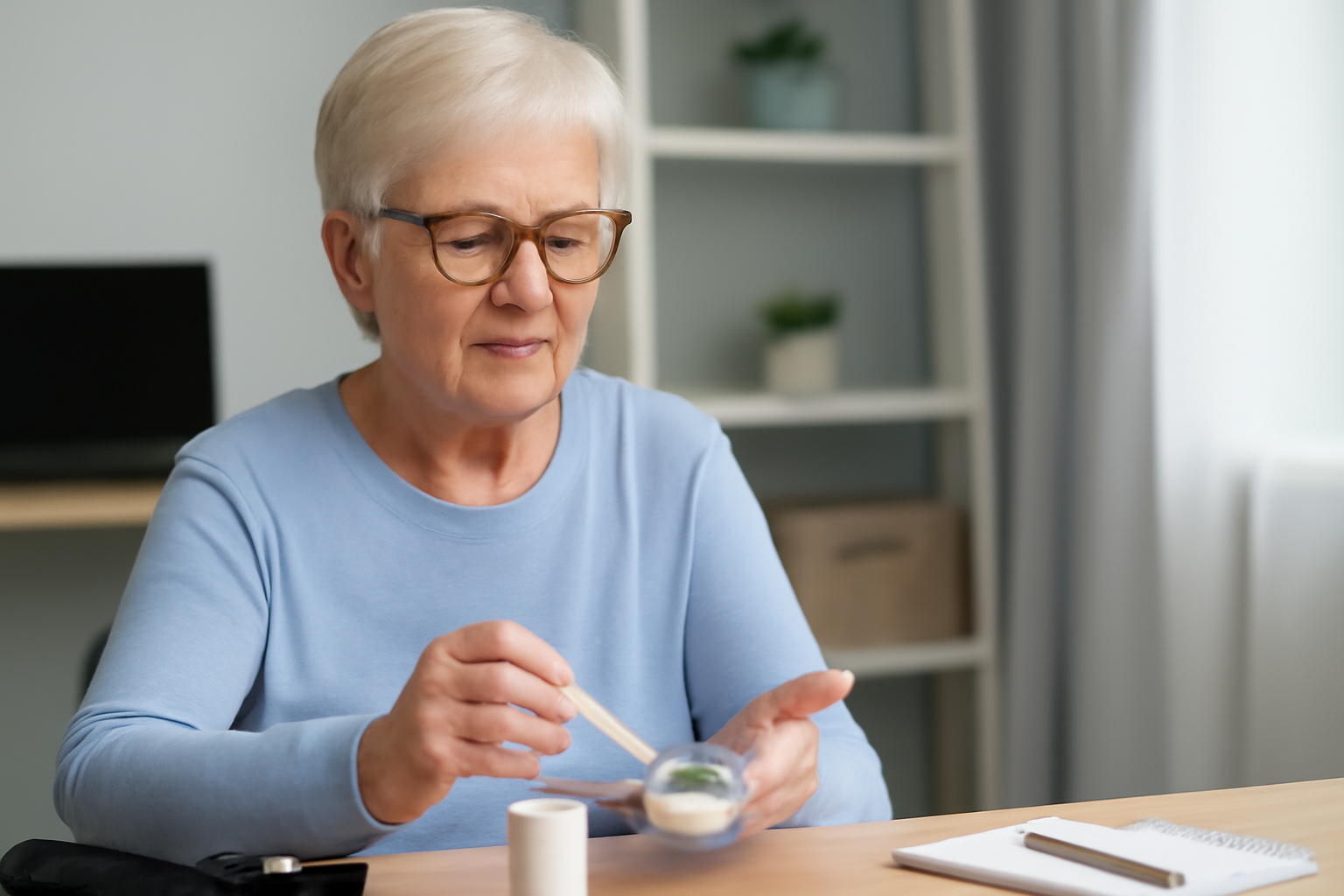
Diabetes monitoring at home has become essential as India faces a rapidly escalating diabetes epidemic, with approximately 89.8 million adults diagnosed in 2024—representing 10.5% of adults aged 20-79. Among adults aged 45 years and older, diabetes prevalence reaches a staggering 19.8%, affecting 50.4 million people. At Jade Cure, we specialize in comprehensive home sample collection services for diabetes testing, bringing laboratory-quality diagnostics directly to elderly patients in Mumbai who face the dual challenges of managing chronic disease and navigating healthcare access barriers.
Diabetes monitoring at home eliminates travel requirements while providing accurate, timely results essential for effective disease management. With 43% of diabetics remaining undiagnosed and 62% untreated or not on medication, regular home-based monitoring bridges critical gaps in diabetes care. Regular testing enables early detection, prevents complications, and empowers seniors to maintain control over their health without the burden of frequent clinic visits.
Diabetes monitoring at home addresses urgent healthcare needs as diabetes prevalence among older adults in India stands at 12.4%, with urban areas like Mumbai experiencing significantly higher rates of 19% compared to 8% in rural areas. This urban concentration reflects lifestyle factors, dietary patterns, and healthcare access patterns characteristic of metropolitan environments. Elderly patients face compounded risks because aging naturally affects glucose metabolism, medication tolerance, and complication development.
The consequences of uncontrolled diabetes in elderly patients are severe and far-reaching. Hyperglycemia contributes significantly to mortality, while hypoglycemia from intensive treatment poses particular dangers for older adults, including cognitive degeneration and physical decline. Diabetes complications—cardiovascular disease, kidney failure, vision loss, neuropathy, and poor wound healing—develop more rapidly and severely in elderly populations, making consistent monitoring non-negotiable.
At Jade Cure, we’ve observed that home monitoring dramatically improves testing compliance among elderly patients. Mobility limitations, chronic pain, transportation challenges, and caregiver availability all create barriers to regular clinic-based testing. Home collection services eliminate these obstacles, enabling the consistent monitoring essential for preventing complications that devastate quality of life and independence in the senior years.
Diabetes monitoring at home through HbA1c testing provides the most comprehensive assessment of long-term blood sugar control. HbA1c (Hemoglobin A1c or Glycated Hemoglobin) reflects average blood glucose levels over the past 2-3 months, unlike single-point measurements that capture only momentary glucose status. This test measures the percentage of hemoglobin proteins coated with sugar, providing insights into how well diabetes management strategies are working over time.
HbA1c testing offers multiple advantages for elderly diabetes patients:
The HbA1c test in Mumbai costs between ₹350-750 with home sample collection services available from providers including Jade Cure. Normal HbA1c ranges below 5.7%, prediabetes registers 5.7-6.4%, while diabetes is diagnosed at 6.5% or higher. For elderly patients managing diabetes, target HbA1c levels typically range from 7-8%, with individualized goals based on life expectancy, comorbidities, and hypoglycemia risk.
Diabetes monitoring at home using fasting blood glucose (FBG) measurements assesses how well the body controls blood sugar in the absence of dietary influence. Fasting blood glucose testing requires patients to abstain from eating or drinking anything except water for at least 8 hours before blood collection. This baseline measurement reveals how effectively the body maintains glucose homeostasis without food intake, identifying diabetes, prediabetes, or monitoring treatment effectiveness.
Fasting blood glucose interpretation follows established diagnostic criteria:
Home collection services through Jade Cure schedule early morning appointments allowing seniors to complete fasting requirements comfortably in their own homes. Trained phlebotomists arrive at convenient time slots, collect blood samples using sterile equipment, and transport specimens to NABL-certified laboratories maintaining proper cold chain protocols. Digital reports arrive within 24-48 hours, enabling prompt medication adjustments or lifestyle interventions when needed.
Diabetes monitoring at home should include postprandial blood sugar (PPBS) testing, which measures glucose levels 2 hours after meals. Postprandial testing reveals how effectively the body processes dietary carbohydrates and returns blood sugar to normal ranges after eating. This measurement proves particularly important for elderly patients because age-related changes in insulin secretion and sensitivity often manifest as elevated post-meal glucose even when fasting levels remain normal.
Normal postprandial blood sugar ranges vary by age, with individuals 60 years and older having slightly higher acceptable limits of less than 160 mg/dL compared to less than 140 mg/dL for younger adults. This age-adjusted interpretation acknowledges physiological changes in glucose metabolism that occur naturally with aging. PPBS testing helps identify early diabetes that fasting tests might miss and guides meal planning, medication timing, and portion control strategies.
According to Jade Cure’s experts, understanding both fasting and postprandial glucose patterns is key to comprehensive diabetes management in elderly patients. The combination provides complete glycemic profiles showing how well glucose control is maintained throughout the day, not just during fasted states. Home testing services can coordinate both fasting morning collections and post-lunch return visits for postprandial measurements when comprehensive assessment is needed.
Diabetes monitoring at home follows evidence-based frequency recommendations balancing adequate surveillance against unnecessary testing. Elderly patients with established diabetes should have HbA1c testing every 3-6 months depending on glucose control stability and recent medication changes. More frequent testing (every 3 months) applies when treatment is being adjusted or when previous results showed inadequate control, while stable patients may test every 6 months.
Recommended testing frequencies for comprehensive diabetes monitoring include:
Elderly patients on insulin therapy or those experiencing frequent hypoglycemic episodes may benefit from daily self-monitoring using glucometers in addition to periodic laboratory testing. Continuous glucose monitoring (CGM) devices offer particular advantages for older adults, including reduction in both hyperglycemia and hypoglycemia, improvement in quality of life, and peace of mind for patients and caregivers. At Jade Cure, we provide personalized monitoring schedules based on individual patient needs, medication regimens, and disease severity.
Diabetes monitoring at home delivers multiple evidence-based benefits that improve outcomes and quality of life for elderly patients. Consistent glucose tracking helps detect blood sugar fluctuations, reduces risks of dangerously high or low levels through real-time awareness, and enables timely interventions preventing acute complications. Home monitoring empowers seniors to take active roles in disease management, fostering independence and self-efficacy crucial for successful aging with chronic conditions.
Key advantages of home-based diabetes monitoring include:
Research demonstrates that proper diabetes management through blood pressure control, cholesterol management, and glucose monitoring significantly reduces all-cause mortality, cardiovascular mortality, myocardial infarction, heart failure, stroke, and chronic kidney disease in older patients. Home monitoring facilitates the consistent surveillance necessary to achieve these protective benefits without the burden of frequent clinic visits that challenge elderly patients with mobility limitations or transportation barriers.
Diabetes monitoring at home requires minimal preparation, though specific guidelines optimize result accuracy and clinical utility. For HbA1c testing, no special preparation is needed—patients can eat normally, take medications as prescribed, and have blood drawn at any time of day. This convenience makes HbA1c particularly suitable for elderly patients who struggle with fasting requirements or complex preparation protocols.
Fasting blood glucose testing requires more specific preparation:
For postprandial testing, patients should consume a normal meal (not unusually large or carbohydrate-heavy) and time blood collection precisely 2 hours after the first bite of food. Jade Cure’s home collection service provides clear preparation instructions during booking and confirms requirements when scheduling appointments. Our phlebotomists arrive with all necessary equipment, complete collection efficiently, and answer any questions patients or caregivers have about the testing process.
Diabetes monitoring at home revealing elevated results requires prompt action and clinical correlation to prevent complications. HbA1c levels above target ranges (typically 7-8% for elderly patients) indicate inadequate glucose control over the past 2-3 months, necessitating treatment intensification through medication adjustments, dietary modifications, or increased physical activity. However, excessively intensive glucose lowering carries risks for elderly patients, particularly hypoglycemia-related cognitive decline and falls.
Common abnormal patterns and their implications include:
At Jade Cure, we provide detailed reports with age-appropriate reference ranges and clinical interpretations helping patients and physicians make informed decisions. Abnormal results should prompt consultation with diabetologists or primary care physicians for treatment planning. The convenience of home testing facilitates follow-up monitoring essential for assessing intervention effectiveness and fine-tuning treatment regimens over time.
Diabetes monitoring at home serves as the foundation for complication prevention by enabling early detection and prompt intervention when glucose control deteriorates. Intensive glucose management reduces mortality in diabetes, though the level of intensification must be carefully calibrated in elderly patients to avoid hypoglycemia risks. Regular monitoring identifies trends before they become acute problems, allowing gradual adjustments rather than crisis interventions.
Major complications prevented through consistent monitoring include:
Studies confirm that antihypertensive therapy and statin treatment in older diabetic patients reduce all-cause mortality, cardiovascular mortality, myocardial infarction, heart failure, stroke, and chronic kidney disease. Home glucose monitoring provides the data necessary to optimize these protective therapies. According to Jade Cure’s experts, understanding glucose patterns through regular monitoring is key to successful diabetes care in the elderly, enabling personalized treatment that balances complication prevention against treatment-related risks.
Q: How much does home diabetes testing cost in Mumbai?
A: HbA1c testing with home collection in Mumbai costs ₹350-750, while fasting glucose tests range from ₹150-350. Complete diabetes panels including HbA1c, fasting glucose, and lipid profiles cost ₹800-1,500 with home sample collection included.
Q: What is a normal HbA1c level for elderly diabetics?
A: Target HbA1c for elderly diabetic patients typically ranges from 7-8%, with individualized goals based on life expectancy, comorbidities, and hypoglycemia risk. Normal non-diabetic HbA1c is below 5.7%, while 5.7-6.4% indicates prediabetes.
Q: Do I need to fast for HbA1c testing?
A: No, HbA1c testing requires no fasting and can be performed any time of day. You can eat normally, drink fluids, and take medications as prescribed before HbA1c blood collection.
Q: How often should elderly diabetics check blood sugar at home?
A: Elderly diabetics should have HbA1c testing every 3-6 months, with fasting glucose tests monthly to quarterly depending on control. Patients on insulin may need daily self-monitoring using glucometers.
Q: What is a normal fasting blood sugar for seniors?
A: Normal fasting blood glucose for all adults including seniors is less than 100 mg/dL. Values between 100-125 mg/dL indicate prediabetes, while 126 mg/dL or higher on two separate tests diagnoses diabetes.
Q: Can home blood tests detect diabetes complications?
A: Yes, comprehensive home testing panels including kidney function tests (creatinine, eGFR), liver function, lipid profiles, and HbA1c can detect early signs of diabetes complications like kidney disease and cardiovascular risk.